

How to Aerate Your Garden in Vancouver This Spring
Spring in Vancouver wakes up slowly. Rain softens the ground, plants push out new growth, and gardeners finally step outside after months of cold soil and short days. Beneath the surface, though, winter leaves the soil packed tight. Aeration opens that ground back up so roots can breathe, nutrients can move, and plants can grow stronger through the season ahead.
Why Spring Aeration Helps Vancouver Gardens Thrive
Winter rain and cold temperatures press the soil together more than most gardeners realize. That pressure squeezes out the tiny pockets of air that roots rely on. Without those spaces, water drains slowly and nutrients struggle to reach deeper root systems. Aeration loosens that compacted ground so oxygen, moisture, and organic matter can move freely through the soil. Plants respond quickly when their roots have room to spread.
Garden beds and lawns in coastal climates like Vancouver often stay damp through winter, which makes soil heavier and more compact. Aeration relieves that pressure before the growing season begins. Once the soil opens up, microbes wake up and start breaking down organic material that feeds plants naturally. Healthy soil activity leads to greener lawns, fuller flower beds, and vegetables that grow with less effort from the gardener.

Aerate After Light Rain When Soil Feels Slightly Soft
Timing makes a noticeable difference in how well aeration works. Soil that is bone dry becomes difficult to penetrate, while overly wet soil turns sticky and clumps together. The best moment comes after light rain when the ground feels soft but not muddy. A garden fork or aeration tool slides into the earth easily and creates clean openings without tearing the soil structure.
Vancouver’s spring weather actually works in favor of gardeners here. Gentle rainstorms provide natural moisture that prepares the soil for aeration. Checking the soil with a quick squeeze test helps determine readiness. If the ground holds its shape but breaks apart easily, conditions are ideal for aerating without damaging roots or compacting the surface further.
Focus on Areas Where Foot Traffic Has Packed the Ground
Paths across lawns and garden beds often show the first signs of soil compaction. Repeated footsteps press soil particles tightly together, which limits root growth beneath the surface. Grass in these areas may appear thin or slightly discolored because the roots struggle to access air and nutrients. Aerating these sections first helps revive the lawn quickly.
Gardeners sometimes overlook the spaces near patios, walkways, and garden entrances where people naturally step while working outside. Those high-traffic areas benefit the most from aeration because they experience constant pressure. Opening the soil there allows water to soak in properly instead of running across the surface during rainstorms.
Break up Soil Around Garden Beds with a Manual Fork
Garden beds require a lighter touch than lawns. A manual garden fork works well because it loosens the soil without disturbing plant roots too aggressively. Sliding the fork into the soil and gently rocking it back opens small channels beneath the surface. These openings allow oxygen to circulate where roots grow the most.
Working carefully around vegetables, flowers, or shrubs protects delicate root systems while still improving soil structure. This method also helps gardeners reach compacted layers beneath mulch or compost that formed during winter. Once loosened, the soil becomes easier to plant in and absorbs water more evenly during the warmer months.
Remove Small Soil Plugs so Air Can Reach Plant Roots
Aeration tools sometimes pull small plugs of soil to the surface. Leaving those plugs scattered across the lawn actually benefits the soil as they break down naturally. They crumble back into the ground over time, returning organic matter and microorganisms to the upper soil layer.
Removing a few plugs in particularly compact spots allows deeper airflow into the soil profile. Those openings help roots stretch downward where moisture stays longer during warm weather. As roots grow deeper, plants become more resilient and better prepared for dry summer conditions.

Work Slowly Across the Lawn to Keep Spacing Even
Aeration works best when holes remain evenly spaced across the lawn. Moving slowly helps maintain a steady pattern that covers the entire area without missing patches. A simple back-and-forth walking pattern works well and keeps spacing consistent from one pass to the next.
Uneven aeration often leads to sections of the lawn recovering faster than others. By keeping a steady pace and checking coverage as you move, the soil loosens evenly across the yard. The result looks healthier and more balanced as grass grows thicker throughout the season.
Follow Aeration with Compost to Improve Soil Health
Aeration opens the soil, but compost brings the nutrients that help plants thrive. Spreading a thin layer of compost after aerating allows organic material to settle directly into the holes created during the process. Those nutrients reach the root zone faster than they would on compacted soil.
Compost also improves soil texture over time. It helps sandy soil hold moisture while helping clay soil drain better. As microbes break down the organic material, they create a richer soil environment that supports strong root systems and steady plant growth.
Water the Garden Lightly After the Aeration Process
A gentle watering after aeration helps settle the soil and move nutrients downward. Moisture carries compost particles into the aeration holes and encourages roots to grow deeper into the loosened ground. The goal is to dampen the soil rather than soak it completely.
Light watering also prevents the surface from drying too quickly after aeration. Maintaining moderate moisture during the following days helps plants recover faster and take advantage of the improved soil conditions beneath them.
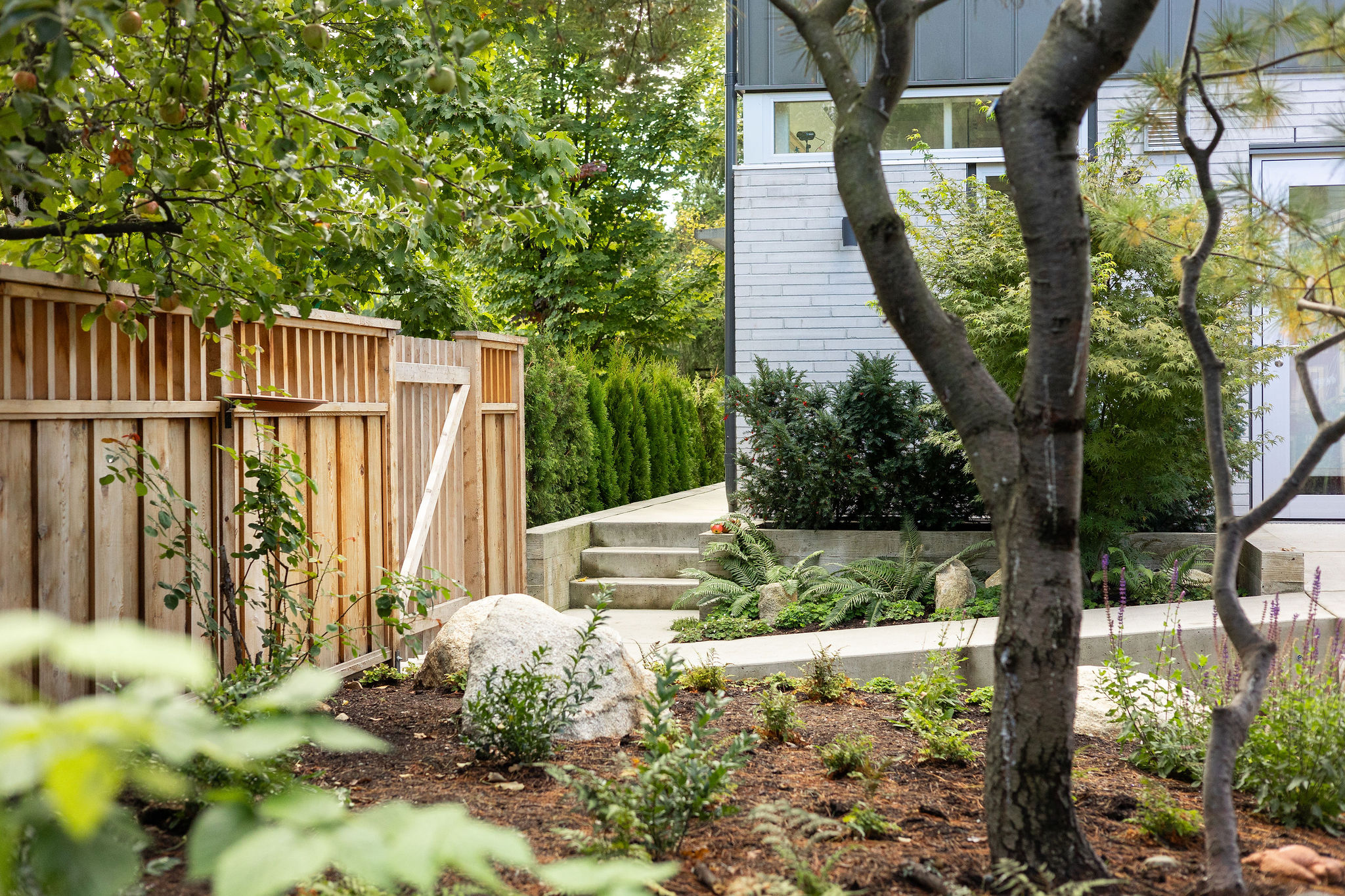
Why Professional Aeration Improves Garden Soil Health
Professional landscapers often use specialized equipment that penetrates deeper into compacted soil. These machines create consistent holes across larger lawns and remove soil plugs efficiently. The process reaches deeper layers that manual tools sometimes struggle to loosen. Experienced landscapers also recognize subtle signs of soil problems such as drainage issues, uneven compaction, or nutrient deficiencies. Our approach combines aeration with soil amendments and seasonal lawn care strategies that improve long-term garden health.
Stronger Gardens Begin with Expert Soil Care from Craine Projects
Healthy soil is the foundation of every thriving garden, and experienced landscapers know how to bring it back to life. Craine Projects works with homeowners who want greener lawns, healthier garden beds, and outdoor spaces that flourish throughout the growing season. Our team understands how Vancouver soil behaves after long winters and applies techniques that restore structure and improve root health.
Professional landscaping companies bring tools, knowledge, and experience that save time while producing stronger results. Skilled landscapers can identify compacted areas, improve soil balance, and guide long-term lawn care that keeps gardens vibrant year after year. Contact us today to learn how Craine Projects can help transform your outdoor space into a healthier, thriving landscape this spring.