

The Complete Guide to Landscaping Rocks Types Costs and Design Ideas
A yard can change completely with the right ground materials. Rocks do more than fill space—they shape how water moves, how paths feel underfoot, and how the whole property looks from the street. Understanding how to use them well turns a basic yard into something structured, clean, and easy to maintain.
Popular Types of Landscaping Rocks for Your Yard
- River rock — stands out for its smooth edges and natural tones, making it a common choice for decorative borders and dry creek beds
- Pea gravel — offers a softer feel underfoot and works well for walkways or seating areas
- Crushed stone — brings a sharper look and packs tightly, making it useful for driveways or base layers
- Lava rock — adds contrast with darker colors and a rough texture that holds its place even during heavy rain
Each type serves a purpose beyond looks, and knowing how they behave helps avoid costly mistakes later.
Boulders create strong visual anchors and can define entire sections of a yard. Flagstone pieces are often used for stepping paths or patios because they sit flat and provide stability. Marble chips reflect light and give a bright, polished appearance, though they may shift more than heavier materials. Granite options tend to last longer under pressure and weather. Mixing different types carefully can bring variety without making the space feel cluttered, especially when colors stay within a natural range.

Functional Benefits of Using Stone in Landscape Design
Stone reduces the amount of maintenance needed compared to grass or mulch. It does not break down over time, so it stays in place longer and does not need frequent replacement. Areas covered with rock also resist weeds better when paired with proper ground fabric. This makes it easier to keep outdoor spaces clean without constant effort. Strong surfaces also hold up under foot traffic, making them ideal for areas that see daily use.
Drainage improves when rock replaces dense soil or compacted ground. Water flows through gaps instead of pooling on top, which helps protect foundations and walkways. Sloped areas benefit from stone because it prevents soil from washing away during storms. Heat retention can also play a role, especially in colder climates where stone helps maintain ground temperature. These practical benefits often matter just as much as appearance when planning a long-term layout.
Choosing the Right Rock Size and Texture for Your Project
Small gravel works best for pathways and areas where people walk often. It spreads evenly and creates a softer surface, though it may shift more under pressure. Medium-sized stone provides a balance between stability and appearance, making it useful for borders or decorative sections. Larger rock pieces stay in place better and suit areas where movement should be limited. Matching size to purpose helps prevent issues like sinking or uneven surfaces.
Texture affects both function and comfort. Smooth stones feel better underfoot but can move more easily, especially on slopes. Rougher materials grip together and stay stable but may not be as comfortable for walking areas. Mixing textures can create contrast, though it should be done with intention to avoid visual confusion. Choosing the right combination ensures that each section of the yard serves its role without creating extra work later.
Estimated Costs Budgeting for Stone Gravel and Boulders
Costs vary depending on material type, size, and delivery distance. Basic gravel usually comes at a lower price, making it a practical option for large areas. Decorative stones such as marble chips or specialty rock can cost more due to processing and transport. Boulders often carry higher prices because of handling and placement requirements. Planning ahead helps avoid surprises, especially when covering larger sections of land.
Labor and preparation also affect the total budget. Ground leveling, fabric installation, and edging materials all add to the final cost. Delivery fees can vary based on distance and load size, so it helps to compare options before ordering. Buying in bulk often reduces the price per ton, which benefits larger projects. Setting a clear budget early allows for better material choices without cutting corners on quality.

Creative Design Ideas for Rock Gardens and Pathways
Rock gardens create depth by combining different sizes and colors in one space. Larger stones can act as focal points, while smaller gravel fills gaps and connects the layout. Adding plants between stones softens the look and brings balance to the design. Paths made with stepping stones and gravel create natural flow through the yard. These elements guide movement while keeping the space open and easy to navigate.
Layering materials can add interest without making the yard feel crowded. A mix of textures works well when each section has a clear purpose. Curved pathways break up straight lines and make the layout feel more natural. Edging with contrasting stone helps define borders and keeps materials contained. Thoughtful landscape design choices turn simple rock placement into a structured and appealing outdoor space.
How to Use Landscaping Rocks for Effective Drainage
Proper drainage starts with understanding how water moves across the property. Placing stone in low areas helps direct water away from structures. A dry creek bed made with larger rock can guide runoff while preventing erosion. Layering gravel beneath top materials improves water flow and reduces pooling. These methods protect both the yard and nearby foundations from long-term damage.
Sloped areas benefit from rock placement because it slows water movement. This reduces the force that can wash soil away during heavy rain. French drains often use gravel to move water underground, keeping surfaces dry. Combining different sizes of stone improves performance by creating multiple paths for water to travel. Using rock for drainage solves problems that traditional landscaping methods may not address.
Comparing River Rocks Lava Rocks and Pea Gravel
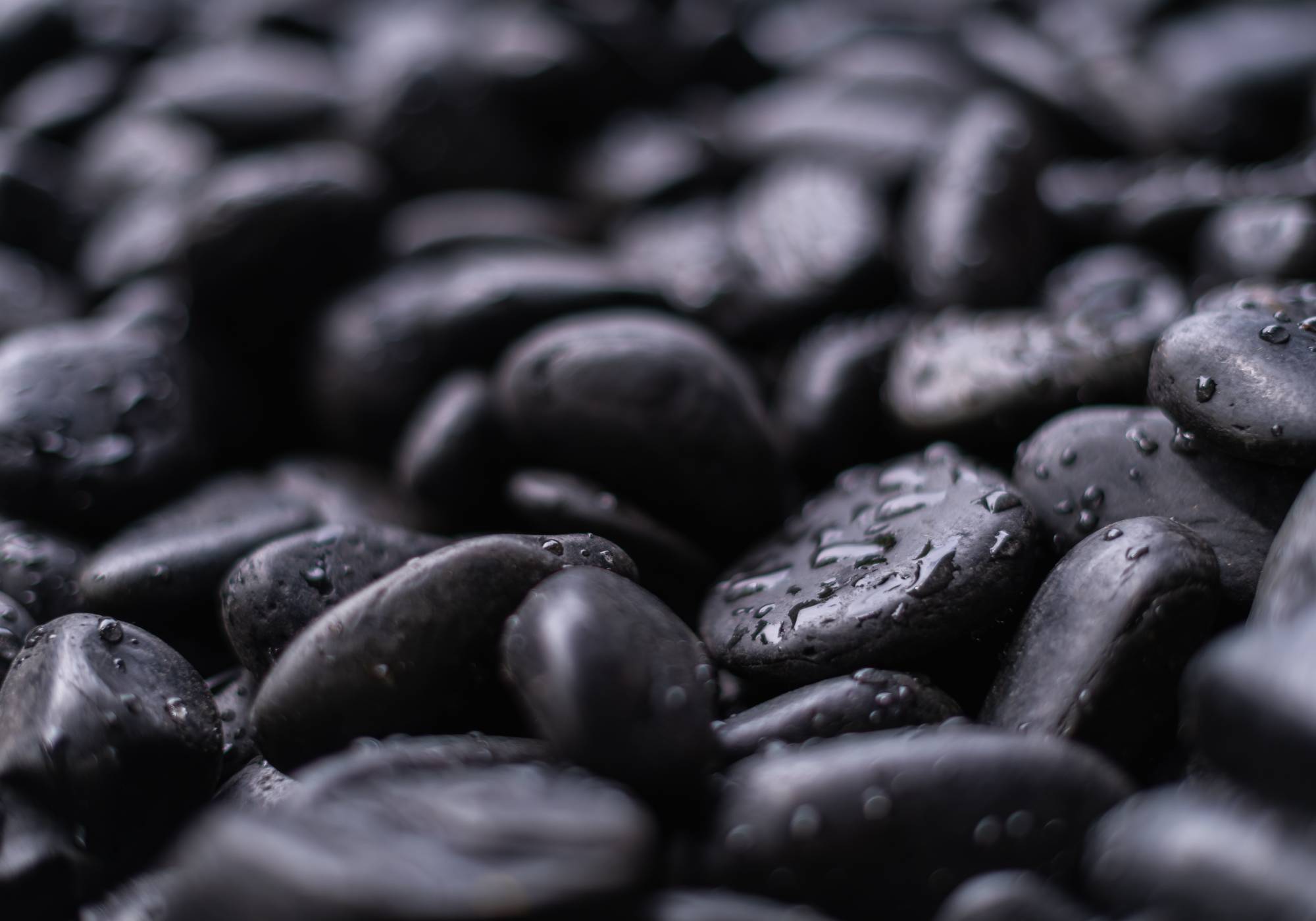
River rock offers a smooth, polished look that works well in decorative settings. It handles water flow effectively but may shift if not contained properly. Lava rock provides strong color contrast and stays in place due to its rough texture. It also absorbs heat, which can affect surrounding plants. Pea gravel creates a softer surface and works well for walkways, though it may require edging to keep it contained.
Each option has strengths depending on the project. River rock suits areas where appearance matters most, while lava rock works better for stability and contrast. Pea gravel balances comfort and cost, making it a common choice for paths and patios. Comparing these materials helps match the right option to each part of the yard. Using them together can create variety while maintaining a cohesive look.
Installation How to Properly Lay Landscaping Rock
Preparation determines how well the final surface performs. Clearing debris and leveling the ground creates a stable base. Installing landscape fabric helps prevent weeds from growing through the rock. Edging materials keep everything contained and maintain clean lines. Spreading stone evenly ensures consistent coverage and reduces movement over time.
Layering plays a key role in durability. A base layer of larger gravel supports the top layer and improves drainage. Compacting each layer helps lock materials in place and prevents shifting. Adding the final layer carefully creates a smooth and finished appearance. Proper installation reduces maintenance and keeps the yard looking organized for years.
Transform Your Outdoor Space with Expert Craftsmanship from Craine Projects That Brings Design Ideas to Life
Craine Projects brings experience and attention to detail that turns simple plans into lasting outdoor spaces. Our team understands how to combine materials, layout, and function to create designs that hold up over time. Every project receives careful planning to ensure that each section works as intended, from drainage to visual appeal.
Working with professionals saves time and avoids common mistakes that can lead to extra costs later. Craine Projects helps clients choose the right materials, plan layouts, and complete installations with precision. Contact us today to start building a yard that looks better, works smarter, and lasts longer.