

Why Burnaby Lawns Keep Growing Moss in Wet Shade
Moss can seem like it appears overnight, especially in the darker corners of a Burnaby yard. One season the grass looks reasonably healthy, and the next there is a soft green layer taking over beneath trees, beside fences, or along the north side of the house. Moss itself is rarely the main problem. More often, it points to growing conditions that grass simply does not handle very well.
Constant Moisture Sitting in Shaded Soil
Shade slows evaporation. Soil that would dry within a day or two in full sun can stay damp much longer beneath trees, beside tall hedges, or between closely spaced homes. That extra moisture creates a comfortable surface for moss while keeping grass roots in less favorable conditions. Even a lawn that never looks waterlogged can stay wet enough near the surface to encourage steady moss growth.
Morning dew can make the problem worse. Shaded turf may remain wet well into the afternoon because sunlight never reaches it long enough to dry the blades and upper soil layer. Regular irrigation added on top of that natural moisture can push the area even further out of balance. Homeowners sometimes water the whole lawn equally when the shaded section may need far less.
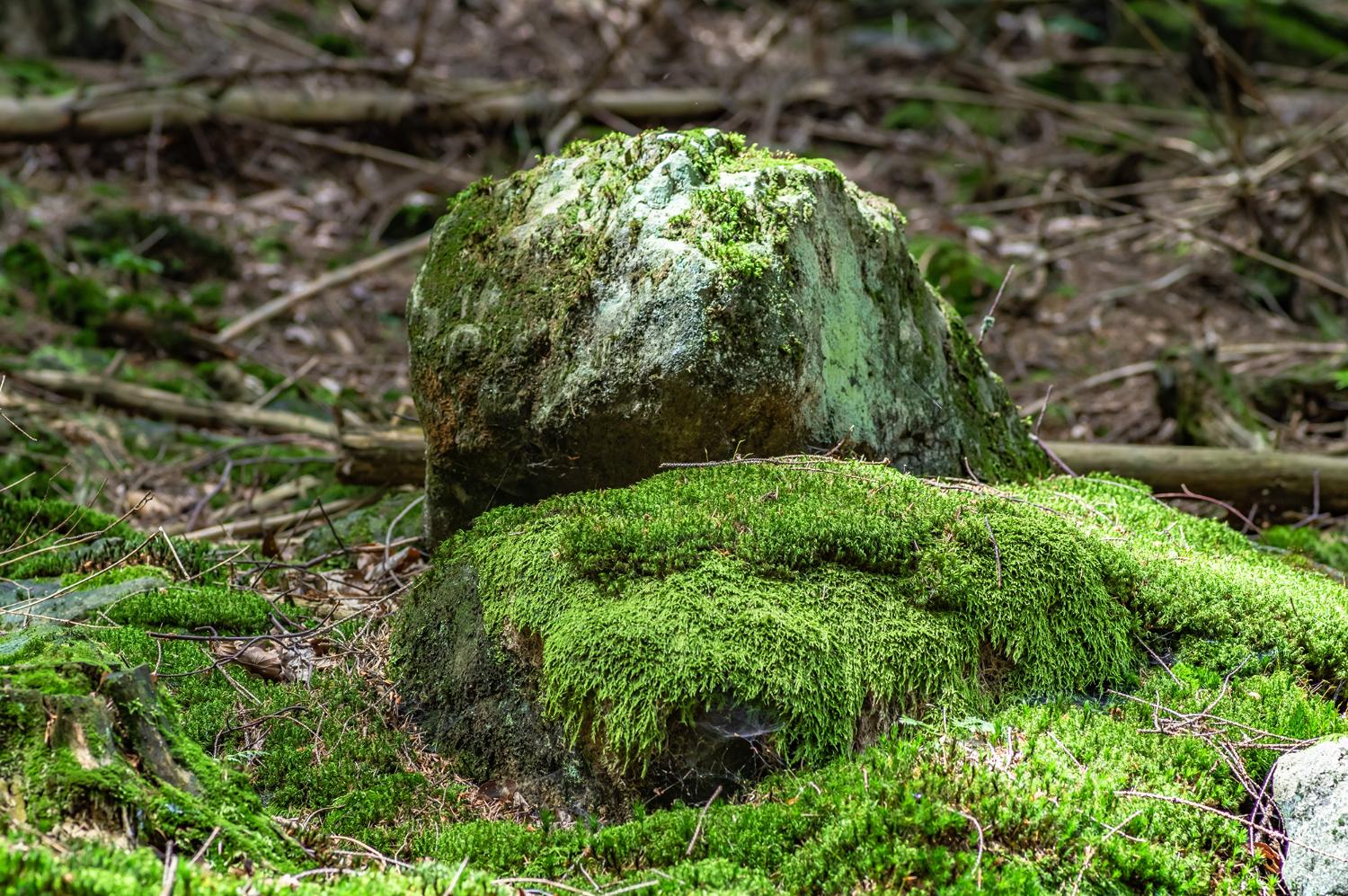
Poor Drainage That Keeps the Lawn Damp
Some yards hold water because it has nowhere to go. Low spots, poorly graded soil, dense subsoil, and blocked runoff paths can leave certain areas damp long after rain has stopped. Moss takes advantage of those slow-drying spots because it does not need the same deep, well-aerated root zone that healthy turf depends on.
Drainage trouble is not always obvious. Water may move through the top few inches of soil and then hit a dense layer underneath, causing moisture to collect below the surface. That can leave grass roots sitting in wet soil even when the lawn looks normal from above. Fixing the surface alone may not solve the issue if the real restriction sits deeper in the ground.
Too Little Sunlight Reaching the Grass
Grass needs enough light to produce the energy required for steady root and blade growth. In heavy shade, that process slows down. Turf becomes thinner, weaker, and less able to recover from foot traffic, mowing, insects, or seasonal stress. Moss does not need nearly as much light, so it can keep spreading while the grass gradually loses ground.
Trees are not the only source of shade. Fences, decks, sheds, neighboring buildings, and narrow side yards can block direct sunlight for most of the day. The amount of light also changes through the year as the sun sits lower in the sky. A patch that receives decent summer light may become much darker during Burnaby’s cooler, wetter months.
Compacted Soil Holding Water Near the Surface
Repeated foot traffic can press soil particles tightly together until very little space remains for air or water movement. Heavy equipment, pets, children, and even years of normal lawn use can slowly create this problem. Once the soil becomes compacted, rain tends to soak in more slowly while grass roots struggle to push deeper.
Compaction can also make a lawn look wetter than it should because moisture stays close to the surface. Moss has little trouble growing in that shallow damp layer. Grass has a harder time because its roots need oxygen as well as water. Core aeration can sometimes help, but severe compaction may require more work than simply poking holes into the lawn once a year.

Thin Grass Leaving Space for Moss to Spread
Moss usually moves into places where turf has already weakened. Sparse grass leaves exposed soil, and those open patches give moss room to establish without much competition. Shade, poor soil, incorrect mowing, heavy use, and root competition from nearby trees can all contribute to thinning turf.
Cutting shaded grass too short can speed up the decline. Grass growing with limited sunlight benefits from keeping more leaf surface because those leaves help capture available light. Scalping the lawn removes part of that advantage. Once bare patches start appearing, overseeding may help, but only if the moisture, light, drainage, and soil conditions are suitable for new grass to survive.
Acidic Soil Conditions That Favor Moss Growth
Moss often gets blamed on acidic soil, but the connection is more complicated than it sounds. Moss can grow across a fairly wide range of soil conditions. Low pH becomes important when it starts limiting the grass itself. Certain nutrients become harder for turf to use, and weaker grass leaves more room for moss to move in.
That is why spreading lime without testing the soil first can miss the real problem. If the pH is already within a healthy range, adding more lime will not fix shade, drainage, or compaction. A basic soil test gives homeowners a much clearer picture of what is happening underground and whether any amendment is actually needed.
Heavy Rain and Burnaby’s Long Wet Seasons
Burnaby’s wet weather naturally gives moss an advantage. Long stretches of rain keep lawns moist while cooler temperatures slow grass growth. During those periods, turf may not recover quickly from wear or thinning, while moss can continue spreading across damp areas with very little direct sunlight.
Seasonal conditions also expose weaknesses that may stay hidden during summer. A slightly compacted or poorly drained area can seem fine during dry weather, then turn into a persistent moss patch once frequent rain returns. Looking at where moss appears each winter can reveal useful clues about grading, shade, soil structure, and other conditions that deserve attention.
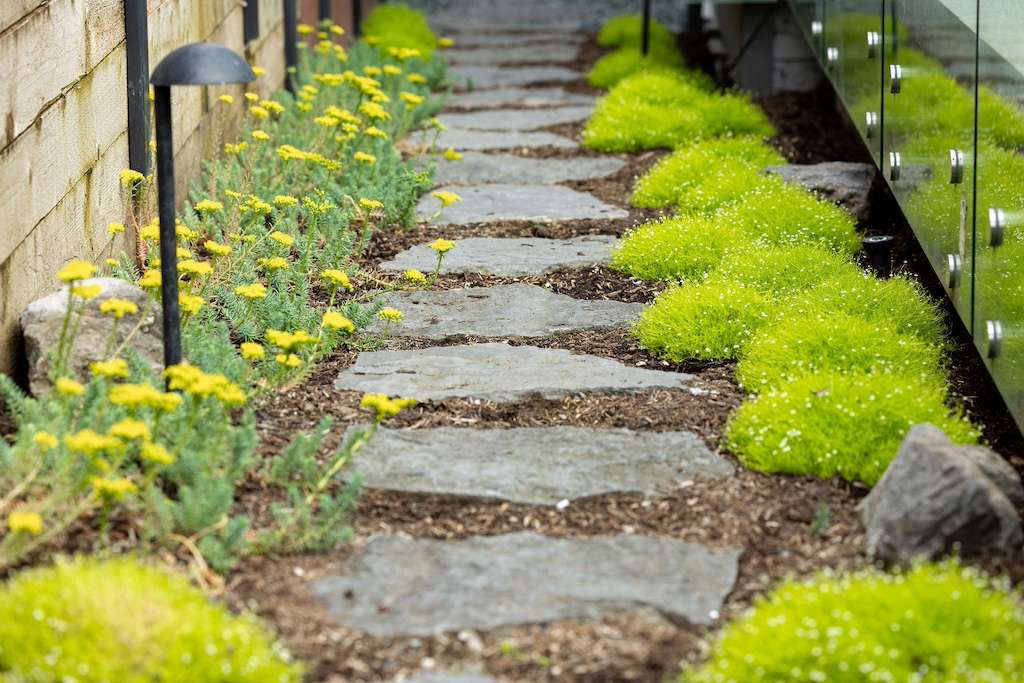
Craine Projects Can Help Turn Damp, Mossy Lawn Areas Into Healthier Outdoor Spaces
Repeatedly treating moss without changing the conditions underneath it usually becomes a frustrating cycle. The better approach is to look at the entire area: how water moves through the property, how much sunlight reaches the turf, whether the soil is compacted, and whether grass is even the best choice for that particular spot. Sometimes improving drainage or soil conditions makes the difference. In deeper shade, a different landscape solution may make more sense.
Craine Projects can help Burnaby homeowners take a practical look at problem areas and build an outdoor space around the way the property actually behaves. From landscaping improvements and lawn areas to drainage-related site work and better use of difficult shaded spaces, the goal is a yard that works instead of constantly fighting its surroundings. Contact us to discuss your property and find a better long-term solution for those damp, moss-prone areas.
Frequently Asked Questions
Can Craine Projects help with moss problems in shaded lawns?
Yes. Craine Projects can assess the conditions that may be causing moss to keep returning, including excess moisture, poor drainage, compacted soil, and heavy shade. The goal is to address the conditions around the lawn instead of only treating the moss on the surface.
Does Craine Projects handle drainage issues that affect lawn health?
Craine Projects can help identify areas where water collects or moves poorly across the property. Improving grading, drainage, or surrounding landscape conditions can reduce the constant dampness that often contributes to moss growth.
Can Craine Projects improve a lawn that gets very little sunlight?
Yes. Some shaded areas can be improved by correcting soil, moisture, and lawn-care problems. In spots where grass is unlikely to grow well long term, Craine Projects can also help plan landscaping options that make better use of the space.
When should a Burnaby homeowner contact Craine Projects about recurring moss?
It is worth contacting Craine Projects when moss keeps returning despite raking, reseeding, or other lawn treatments. Repeated growth often points to a deeper issue with drainage, shade, soil structure, or site conditions that may need a more complete landscaping solution.