

Why Fall Is the Best Time to Plant for Root Establishment
Spring gets most of the attention in the garden, but Vancouver’s fall weather can give new plants an even better start. Cooler days, damp ground, and fewer stretches of intense heat allow plants to settle in without fighting harsh conditions. While the garden may look quieter above ground, plenty of important work is still happening beneath the surface.
Cool Vancouver Soil Supports Steady Root Growth
Soil does not cool down as quickly as the air once summer ends. That gives newly installed trees, shrubs, and perennials a useful window when the ground remains warm enough for underground development. In Vancouver, mild autumn conditions often provide several weeks where plants can settle into their new location without dealing with the heat that can make summer installation difficult.
Cooler ground also changes how a plant uses its energy. Instead of supporting rapid leaf production, it can put more effort into building a stronger underground network. That steady development helps the plant reach farther into surrounding soil instead of staying concentrated around the original nursery container. By the time colder weather arrives, it may already have a much better connection to its new garden bed.
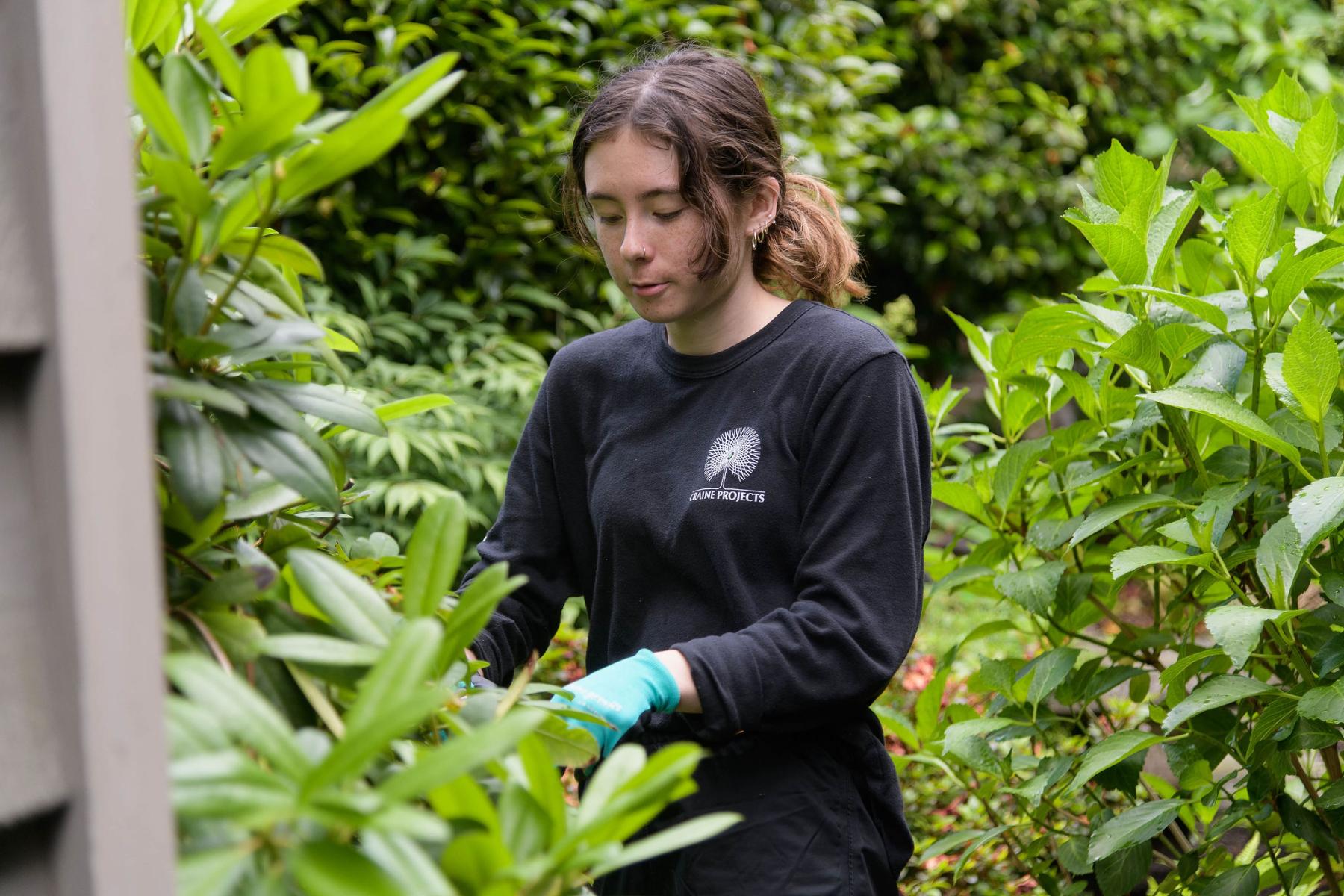
Fall Rain Keeps New Plantings Evenly Moist
Freshly installed plants need consistent moisture, especially during the first few weeks. Vancouver’s wetter autumn weather can make that job much easier. Regular rainfall helps keep the surrounding soil from swinging between very dry and overly wet conditions, which gives young plants a more stable environment while they adjust.
Rain also reaches a wider area than quick hand watering around the base. When moisture moves through the surrounding garden bed, developing roots have a reason to spread outward. Homeowners still need to check conditions, particularly under dense shrubs or roof overhangs, but natural rainfall can reduce how often the hose has to come out.
Lower Heat Reduces Transplant Stress and Water Loss
Moving a plant from a pot into the landscape causes some degree of stress. Hot weather makes the process harder because leaves can lose moisture faster than the underground system can replace it. Cooler autumn temperatures ease that pressure and give new plantings a chance to recover without immediately facing long, dry afternoons.
Less heat also means water stays in the ground longer. Garden beds are not drying out as quickly as they might in July or August, so moisture remains available between watering and rainfall. This can be especially helpful for larger shrubs and young trees, which may need more time to adjust after being moved.
Roots Keep Developing After Top Growth Slows
A plant that looks quiet above ground is not necessarily inactive. As daylight shortens, many plants slow leaf and stem production, but underground activity can continue while soil temperatures remain suitable. That difference is one reason autumn can be such a productive planting season.
With less energy going toward flowers, leaves, and new shoots, the plant can focus on settling into its surroundings. This hidden development may not look exciting in October, but it matters once spring arrives. A plant that already has an established underground system can respond to warmer weather without having to build everything from scratch.
Moist Soil Helps Roots Expand Before Winter Dormancy
Dry, compacted ground can make it difficult for young plants to move beyond the planting hole. Autumn moisture often makes Vancouver garden soil easier for new growth to move through, provided the site drains properly. Good soil preparation still matters, but naturally damp conditions can create a more forgiving environment.
That extra reach is valuable before winter dormancy sets in. A wider underground network gives the plant access to more moisture and nutrients across the bed. Rather than depending heavily on the small area surrounding its original container, it begins functioning as part of the larger landscape.
Autumn Planting Builds Stronger Roots Before Spring Growth
Spring growth can happen fast. Once warmer temperatures and longer days arrive, established plants begin pushing out new foliage, buds, and shoots. Anything planted only a few weeks earlier has to support all of that activity while still adjusting to a new location.
Installing suitable plants months earlier changes the timing. Instead of handling establishment and rapid top growth at once, the plant gets a head start during the quieter part of the year. When Vancouver gardens begin waking up again, those plants can draw from a more developed underground system and put their energy into healthy seasonal growth.
Cooler Weather Gives New Plants More Time to Establish
Summer can be unforgiving for a recent planting. A few unusually hot days can dry containers, planting holes, and exposed beds faster than expected. Autumn usually brings a slower pace. Temperatures drop, evaporation decreases, and the garden becomes easier to keep consistently watered.
That longer adjustment period can also make maintenance more manageable for homeowners. Newly planted areas still need attention, but they may not require the constant monitoring that comes with hot-weather installation. For larger landscape projects, this makes autumn a practical time to work on garden beds, privacy planting, trees, and other improvements that need time to settle.
Give Your Vancouver Garden a Stronger Start This Fall With Craine Projects
Good garden design is not only about choosing plants that look great on installation day. Timing, drainage, soil conditions, spacing, and long-term growth all affect how well a landscape performs. Craine Projects can help Vancouver homeowners plan planting areas around the way the property actually functions, from wetter sections of the yard to exposed beds that dry faster.
Whether you are refreshing an older garden, adding shrubs and trees, or planning a larger landscape upgrade, getting the groundwork right can make future maintenance much easier. Contact us to talk about creating a garden that takes advantage of Vancouver’s fall conditions and is ready to grow when spring returns.

FAQs:
Can Craine Projects Help Plan a Fall Planting Project in Vancouver?
Yes. Craine Projects can help homeowners plan planting areas around the property’s soil, drainage, sunlight, and available space. Fall can be a good time to install suitable trees, shrubs, and perennials because cooler weather gives them time to settle before spring growth begins.
What Services Does Craine Projects Offer for Garden and Landscape Projects?
Craine Projects can assist with landscape planning, garden improvements, planting, and outdoor upgrades designed around the property. The goal is to create outdoor spaces that look good while also considering drainage, plant spacing, maintenance, and long-term growth.
Can Craine Projects Help Choose Plants for Vancouver’s Climate?
Yes. Plant selection should account for Vancouver’s wet winters, mild temperatures, sun exposure, soil conditions, and the amount of maintenance a homeowner wants. Craine Projects can help select plants that suit the site instead of choosing them based only on appearance.
Why Work With Craine Projects for Fall Garden Improvements?
Fall projects require more than digging holes and adding plants. Proper placement, soil preparation, drainage, spacing, and watering all affect how well new plantings establish. Craine Projects can help plan these details so the garden has a stronger foundation going into winter and the following spring.