

Why Mulch Matters More Than Most Vancouver Homeowners Think
A fresh layer of mulch can look like a finishing touch, but it does far more than tidy up a garden bed. In Vancouver, where dry summer weeks can quickly turn into months of steady rain, exposed soil takes a beating. The right ground cover helps plants handle those swings, keeps maintenance under control, and protects the soil you have already paid to improve.
Holds Moisture in the Soil Through Vancouver’s Dry Summer Spells
Vancouver may have a wet reputation, but established gardens can still dry out fast in July and August. Bare soil loses water directly to the air, especially in sunny beds and areas near pavement. A layer of mulch shades the surface and slows that loss, giving roots more time to take up moisture before the ground dries hard.
That matters for homeowners who want healthy planting beds without running irrigation every day. It also helps water reach deeper into the root zone instead of disappearing from the top few centimetres. Around shrubs, perennials, and young trees, steady moisture supports stronger root growth and makes plants less likely to struggle during a hot stretch.
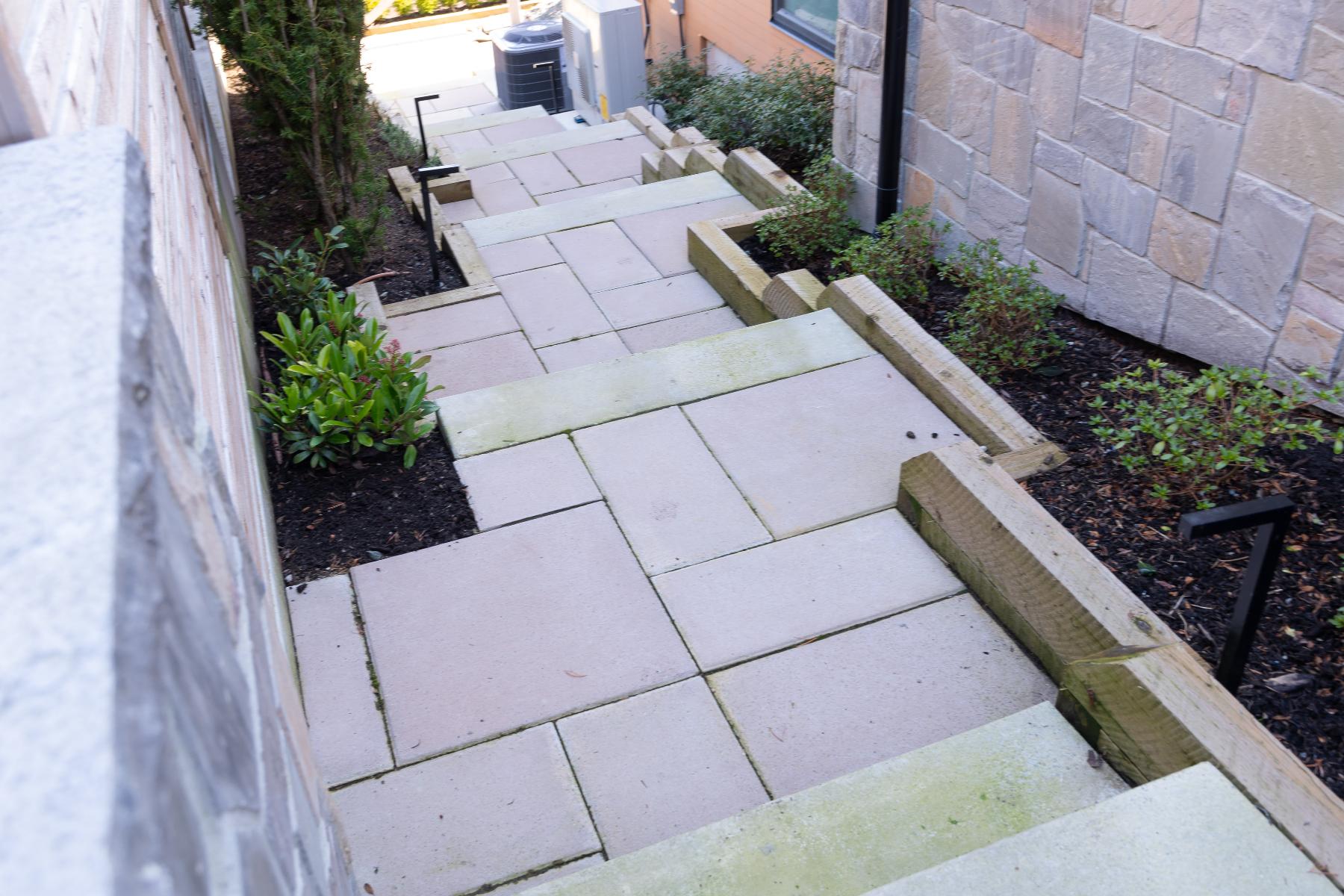
Cuts Weed Growth Before It Takes Over Garden Beds
Most weeds need light to get started. Covering bare ground blocks much of that light before seeds can establish, which is far easier than pulling a bed full of mature weeds later. It will not stop every weed, but it can sharply reduce the number that make it through.
There is another benefit homeowners often miss: fewer weeds means less competition for water and nutrients. That matters most around new plantings, where roots are still getting established. A well-covered bed gives the plants you chose a better shot at using the soil rather than sharing it with dandelions, chickweed, and other fast-growing volunteers.
Shields Roots From Sudden Heat, Frost, and Temperature Swings
Roots prefer steady conditions. The soil surface can heat up quickly on a bright summer day, then cool fast once the sun drops. In winter, shallow roots can also feel sudden cold snaps. Mulch works like a buffer, slowing those changes before they reach the root zone.
This is especially useful in raised beds, south-facing gardens, and planting areas beside concrete or stone, where temperatures can swing more sharply. The protection does not make plants frost-proof, but it can reduce stress on shallow roots. That small difference can help newer shrubs, perennials, and ornamental grasses settle in more reliably.
Reduces Soil Erosion During Vancouver’s Long Rainy Season
Heavy rain does more than make the garden wet. Raindrops hit exposed soil with enough force to loosen fine particles, wash them downhill, and splash mud onto plants, walls, and walkways. A surface layer softens that impact before water reaches the ground.
On sloped beds, this can make a noticeable difference. The material slows runoff, gives water more time to soak in, and helps keep topsoil where it belongs. It is not a fix for poor drainage or a failing slope, but it can prevent small washouts from becoming an ongoing maintenance problem through the wetter months.
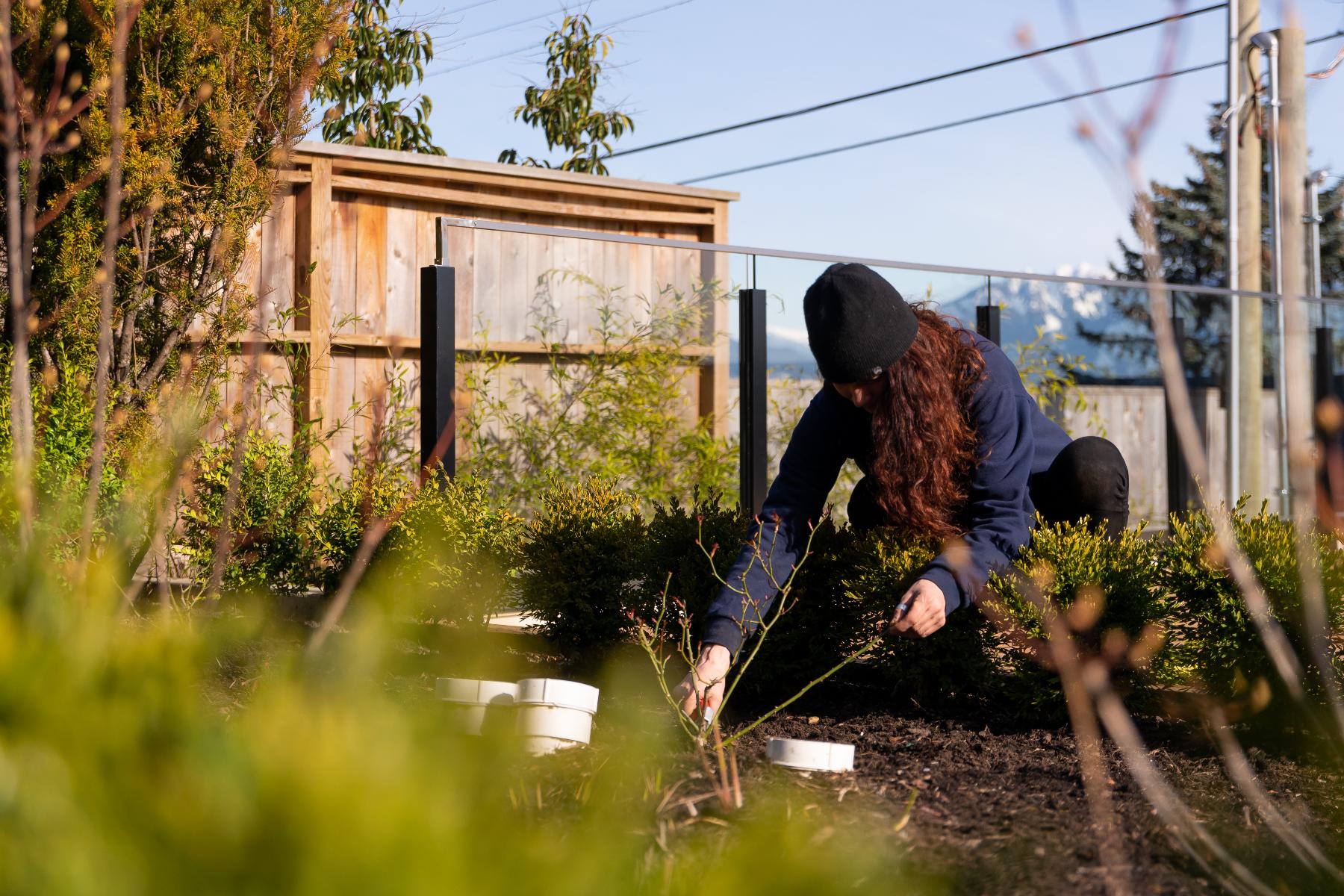
Feeds the Soil as Organic Mulch Slowly Breaks Down
Organic materials such as bark, wood chips, and leaf-based products do not stay unchanged forever. As they weather and break down, they add organic matter to the upper soil layer. That supports the tiny organisms responsible for turning dead plant material into nutrients plants can use.
The process is slow, which is a good thing. Instead of acting like a quick fertilizer hit, decomposition gradually improves the ground over time. Garden beds often become easier to work, better at holding moisture, and more active biologically. Homeowners may notice the surface level dropping after a season or two; that usually means the material is becoming part of the soil.
Keeps Garden Beds Cleaner, Sharper, and Easier to Maintain
A defined surface makes planting beds look finished even when every plant is not in bloom. It hides patchy soil, reduces mud splash, and creates a clean edge against lawns, patios, and walkways. For front yards in particular, that simple contrast can make the whole landscape feel more cared for.
The maintenance side matters just as much. Covered soil is less likely to crust over, grow a fresh batch of weeds after every disturbance, or turn into sticky mud during wet weather. Crews can work around shrubs more easily, and homeowners spend less time repairing the look of the bed after rain, pruning, or seasonal cleanup.
Protects Soil Structure From Compaction and Heavy Rainfall
Healthy soil needs small spaces that hold both air and water. Repeated rain, foot traffic, and even the impact of water dripping from roofs can press surface particles together. Once the top layer becomes compacted, water tends to sit, run off, or move through unevenly instead of soaking in naturally.
Mulch takes part of that pressure before it reaches the soil. It also gives worms and other soil life a calmer surface environment to work beneath. Over time, that can help the ground stay more open and workable. This matters in older Vancouver yards where years of traffic, construction, or repeated digging have already left beds dense and slow to drain.

Build Healthier, Easier-to-Maintain Garden Beds With Craine Projects
Good landscaping should do more than look finished on installation day. It should make the yard easier to live with, easier to maintain, and better prepared for Vancouver’s changing weather. That means paying attention to the soil, drainage, planting layout, and the materials used around each bed. Small choices, such as using the right depth of ground cover or improving how water moves through the site, can prevent bigger maintenance issues later. A well-built landscape should keep working long after the tools and equipment are gone.
Craine Projects helps homeowners create outdoor spaces that suit the property instead of forcing a one-size-fits-all design. Whether the job involves refreshing tired garden beds, improving planting areas, fixing drainage concerns, or planning a larger landscape upgrade, the work starts with how the space will actually be used. Practical details matter because they affect how the yard looks and performs year after year. The goal is a landscape that feels clean, functional, and manageable without constant upkeep. Contact us to talk about your yard, what is not working, and what you would like to improve.