

Rainwater Drainage Systems That Transform a Soggy Yard Into Usable Space
Rain can turn a beautiful yard into a swampy mess faster than most homeowners expect. What feels like a minor annoyance after a storm often becomes a long-term issue—muddy patches, sinking soil, and grass that never stands a chance. The good news? Smart drainage systems can turn that soggy ground into a space you can actually enjoy.
French Drain Channels Pulling Excess Water Away from Low Spots
A French drain is one of the simplest yet most effective ways to keep problem areas dry. It uses a sloped trench lined with gravel and piping to collect and redirect water. This system pulls moisture out of areas where water loves to linger, especially spots where the soil stays saturated long after rain stops. Homeowners appreciate that once it’s buried, the entire setup hides underground with only a small visible outline.
The reason this method works so well is its consistency. Water naturally seeks the easiest path downward, and the gravel-filled trench becomes that route. Instead of pooling around patios or low grassy areas, runoff flows directly into the pipe and exits at a safe distance away from the home. It creates a long-term fix rather than a temporary solution.
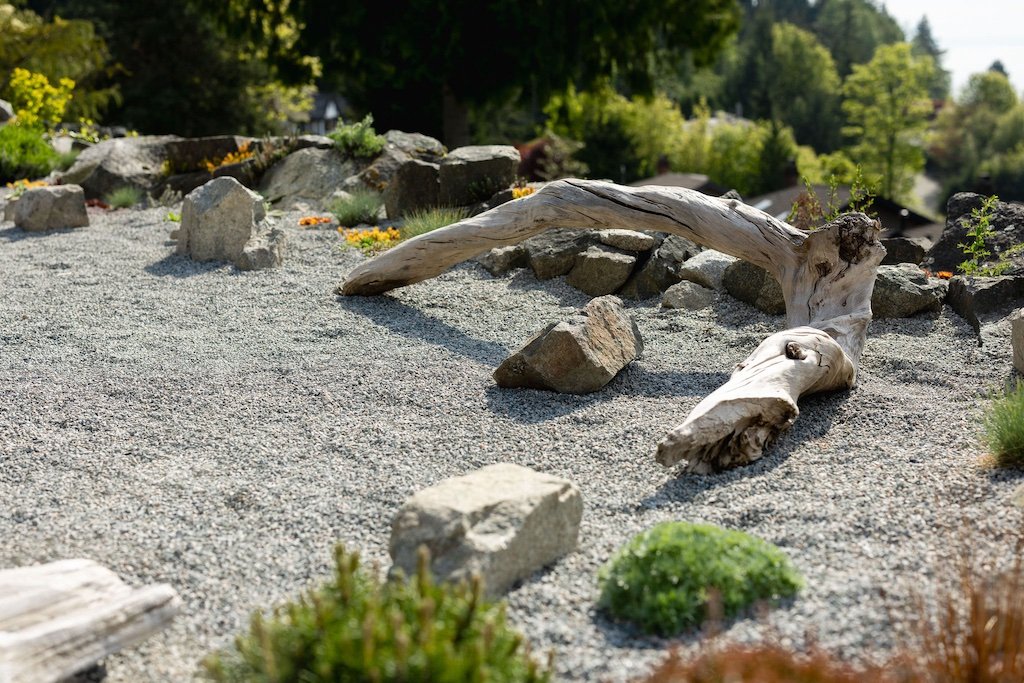
Dry Creek Beds Guiding Heavy Rainfall Through Natural Paths
Dry creek beds mimic the look of a natural stream, giving the yard a decorative touch while also managing water flow. Built with stones, river rock, and small boulders, they guide rainwater through a set path so soil erosion does not get out of hand. Many homeowners build them near roof valleys or sloped areas where water rushes quickly during storms.
What people often don’t know is how much these features can reduce stress on the lawn. Instead of fighting against the flow, the creek bed encourages it but does so in a controlled way. Water collects, follows the channel, and spreads out slowly at the end, allowing the ground to absorb it evenly. Plus, they look great and blend naturally into landscape designs.
Gravel Trenches Easing Soil Saturation During Storms
A gravel trench works like a simple version of a French drain, but without piping. Dig a long trench, fill it with drainage gravel, and it immediately becomes a pathway for water to disappear into deeper soil layers. These trenches are great for yards that flood after heavy rain but do not require full drainage networks.
The benefit lies in how these trenches increase soil absorption. Loose gravel has far more space between particles than compacted soil, giving water room to sit temporarily until the earth can slowly take it in. Many homeowners are surprised by how quickly their yard dries once these trenches are installed.
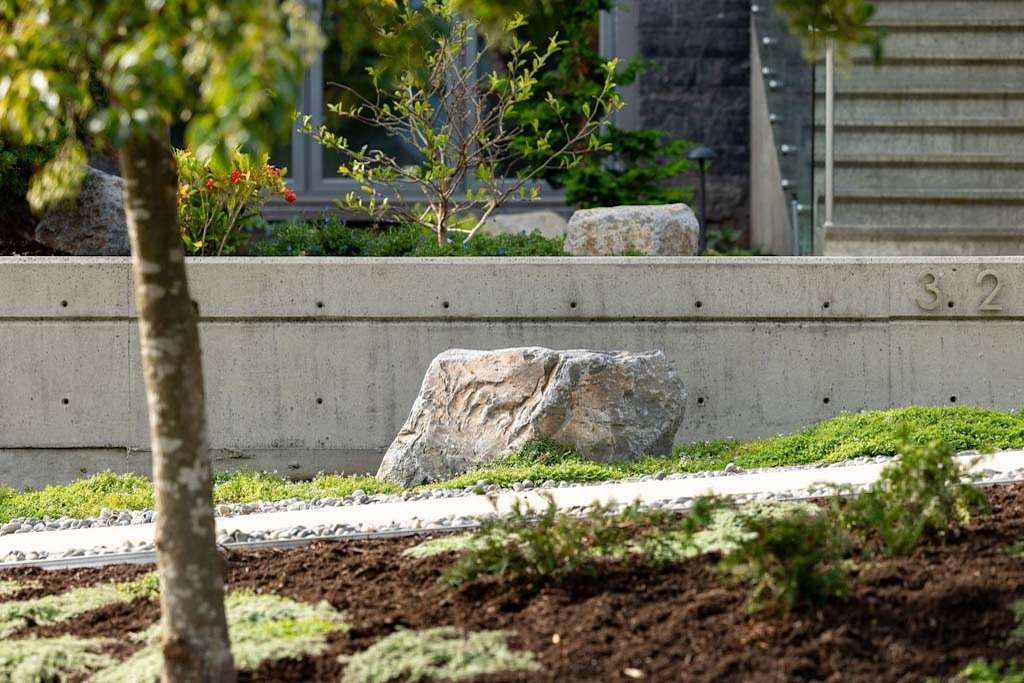
Downspout Extensions Directing Roof Water Safely Downhill
A big source of yard flooding actually starts at the roof. Downspouts that release water too close to the foundation create puddles, erosion, and soggy garden beds. Downspout extensions fix that by carrying water several feet away so it can drain downhill and disperse evenly.
This simple tool prevents water from soaking into the same spot again and again. If the yard slopes even slightly, the extension helps gravity do the work. Homeowners often notice an improvement after the very first rainfall because flow immediately shifts away from vulnerable areas.
Permeable Pavers Allowing Rain to Drain Through Walkways
Permeable pavers look like regular patio pavers, but they have tiny gaps that let water seep through instead of running across the surface. Underneath, a layered gravel base absorbs and slowly disperses the water into the soil. They’re a great choice for walkways, driveways, and outdoor seating areas.
These pavers reduce surface runoff dramatically. Instead of water racing down a slope or washing out mulch beds, it disappears into the ground right where it falls. This helps stabilize the surrounding soil and keeps landscaping features in place, especially during heavy storms.
Swales Shaping Gentle Slopes for Controlled Water Flow
A swale is a shallow, grassy dip that redirects water through the yard. It looks like part of the natural landscape, but it’s shaped intentionally to guide runoff in a safe direction. Swales work well on larger properties or on yards that sit lower than adjacent land.
The key advantage comes from how gently they manage water flow. Instead of allowing a strong rush of water to erode soil, the swale slows it down and spreads it out. Plants lining the swale help absorb even more moisture, keeping the surrounding yard healthier.
Sump Pump Setups Clearing Stubborn Pooling in Flat Yards
Flat yards are notorious for holding water because there’s nowhere for rain to go. A sump pump solves this by collecting pooling water in a pit and pumping it far away from the problem area. This system keeps backyards, crawl spaces, and low corners from flooding repeatedly. The pump activates as soon as the pit fills, making it ideal during long or heavy rainstorms. Homeowners appreciate how quickly it removes standing water, especially when French drains or trenches are not enough on their own. It’s a powerful solution for stubborn drainage issues.

Craine Projects Offers Custom Drainage Solutions That Turn Unusable Spaces Into Functional Outdoor Living Areas
Homeowners deserve a yard that stays dry enough to enjoy, even after the heaviest rainfall. Craine Projects installs custom drainage systems that solve chronic water issues and restore the beauty and functionality of outdoor spaces. Whether the problem is pooling water, soggy grass, or erosion, our team delivers long-lasting solutions built around the property’s natural layout.
If you’re ready to reclaim your backyard and prevent water issues for good, Craine Projects can help. Our experience with drainage systems of all sizes gives homeowners confidence that the work will be done right the first time. Contact us today to schedule a consultation and turn your soggy yard into a livable, inviting space.
FAQs
What causes poor drainage in my backyard?
Poor drainage is usually caused by low-lying areas, compacted soil that doesn’t absorb water, improper grading directing water toward your home, or clogged downspouts and gutters that overflow during rain.
How do I know if my yard needs a rain drainage solution?
Signs include standing water after rain, soggy or muddy lawn areas, water pooling near the house foundation, or persistent wet spots that kill grass and plants. These issues often mean water isn’t flowing away properly.
What are common rain drainage solutions for backyard water problems?
Landscaping drainage options include French drains, dry creek beds, catch basins, swales, rain gardens, and downspout extensions. Each directs water away from trouble spots and keeps your yard usable and healthy.
Can proper grading fix backyard drainage issues?
Yes. Re-grading the yard to create a gentle slope away from your home and key landscape features helps rainwater flow naturally toward safe discharge areas, reducing water buildup and landscape damage.
Do rain gardens and plantings really help with drainage?
Absolutely. Rain gardens use deep-rooted, water-tolerant plants to absorb and slow down runoff. They improve soil infiltration, reduce pooling, and add visual appeal — making them both functional and attractive.